
Andrea Galmozzi
Assistant Professor of Medicine
Metabolic regulation of adipose tissue
Wisconsin Institute Medical Research
1111 Highland Ave 6151
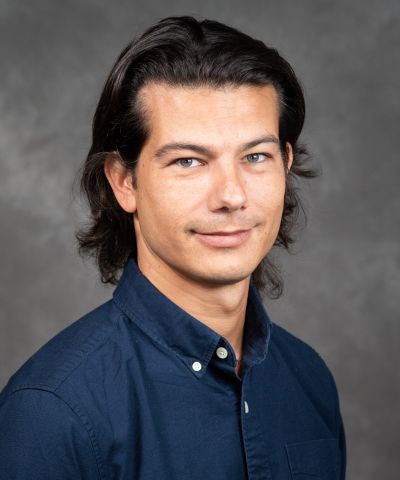
Dr. Andrea Galmozzi is a faculty member of the Division of Endocrinology, Diabetes and Metabolism within the Department of Medicine. Throughout his training, he has published 22 peer-reviewed articles; he was a recipient of various awards, including Italian Institute of Health and American Heart Association predoctoral and postdoctoral fellowships, respectively. In 2019, was invited to present at the Rising Stars Lecture Series at NIH. Dr. Galmozzi serves as reviewer for several peer-reviewed scientific journals.
University of Milan, Milan, Italy – PhD, Biochemistry
The Scripps Research Institute, La Jolla, California – Postdoctoral Fellow/Staff Scientist
-
bioRxiv : the preprint server for biology.
-
bioRxiv : the preprint server for biology.
-
bioRxiv : the preprint server for biology.
-
EMBO reports.
-
bioRxiv : the preprint server for biology.
-
Scientific reports.
-
Nature metabolism.
-
Nature communications.
-
bioRxiv : the preprint server for biology.
-
bioRxiv : the preprint server for biology.
-
Frontiers in endocrinology.
-
Nature communications.
-
Science signaling.
-
Journal of visualized experiments : JoVE.
-
Nature chemical biology.
Dr. Galmozzi’s research focuses on the identification of adipocyte functional pathways that can be pharmacologically modulated to treat metabolic disorders, including obesity and type 2 diabetes. His primary research interest is to understand how signaling metabolites, particularly endogenous ligands of nuclear receptors, are trafficked inside cells. He carries out this goal using a multidisciplinary approach encompassing physiology, chemical biology (chemoproteomics, metabolomics), molecular and cellular biology, and in vivo models of metabolic disease. Elucidation of the molecular pathways that traffic signaling metabolites will shed light on the crosstalk between metabolism and gene transcription, reveal fundamental mechanisms in cell biology and open up new avenues to modulate gene expression for therapeutic purposes.
- Wisconsin Partnership Program New Investigator Award (2022)
- UW Institute for Clinical and Translational Research Award (2021)
- Washington University Diabetes Research Center Award (2021)
- American Heart Association Postdoctoral Fellowship (2014)