
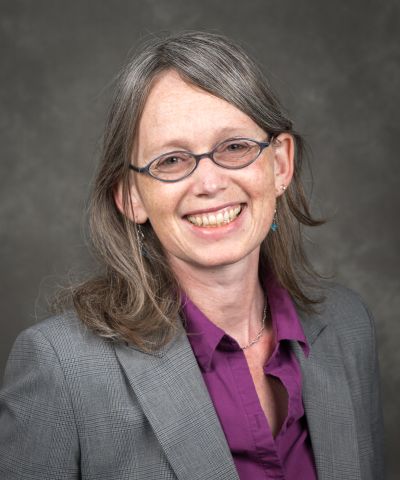
Rozalyn Anderson
Professor of Medicine
Nutrient sensitive regulatory pathways in aging and age-associated disease
Dr. Rozalyn Anderson is a faculty member of the Division of Geriatrics and Gerontology and the Division of Endocrinology, Diabetes and Metabolism in the Department of Medicine. She is affiliated with the Department of Nutritional Sciences and the Institute on Aging. She serves as Health Officer at the Geriatric Research Education and Clinical Center at the William S. Middleton Memorial Veterans Hospital. Her research focuses on the fundamental biology of aging and what creates the age-associated increase in vulnerability to a spectrum of diseases and disorders including cancer, diabetes, cardiovascular disease, and neurodegeneration.
Veterans Administration Hosp
2500 Overlook Ter GRECC D5214
Madison WI 53705-2254
-
Nature aging.
-
Nature communications.
-
PLoS computational biology.
-
Nature aging.
-
Ageing research reviews.
-
bioRxiv : the preprint server for biology.
-
Evolution, medicine, and public health.
-
The journals of gerontology. Series A, Biological sciences and medical sciences.
-
Molecular systems biology.
-
Aging cell.
-
Nature aging.
-
NPJ Parkinson’s disease.
-
PloS one.
-
Expert opinion on drug discovery.
-
bioRxiv : the preprint server for biology.
Dr. Anderson’s research focuses on understanding interconnections between nutrition, metabolism, health, and longevity. Reduced calorie intake without malnutrition, a strategy known as caloric restriction (CR), delays aging the onset of age-related disorders in many different species including yeast, worms, flies and mice. Dr. Anderson has shown that calorie restriction also has a beneficial effect in rhesus monkeys, improving survival and lowering the incidence of age-related diseases. The goal of the Anderson laboratory is to uncover the mechanisms behind CR; by identifying the key regulatory pathways recruited by CR, the team is focused on gleaning novel insights into disease etiology and what contributes to the increased risk for disease with age. These discoveries will enable new strategies to treat and prevent age-related diseases and conditions.