
Nutrition and Metabolism PhD Program
Nutrition researchers are a critical part of our society as they examine the complex interplay between nutrients, health, and disease, spanning from the individual to populations. With careers as faculty or independent scientists in academia, industry, and government, graduates of the Nutrition and Metabolism program are at the forefront of research. They are making important contributions linking diet to the maintenance of health and impact on disease prevalence, and educating the public on the critical role of diet in the maintenance of optimal health throughout the life cycle.
Research
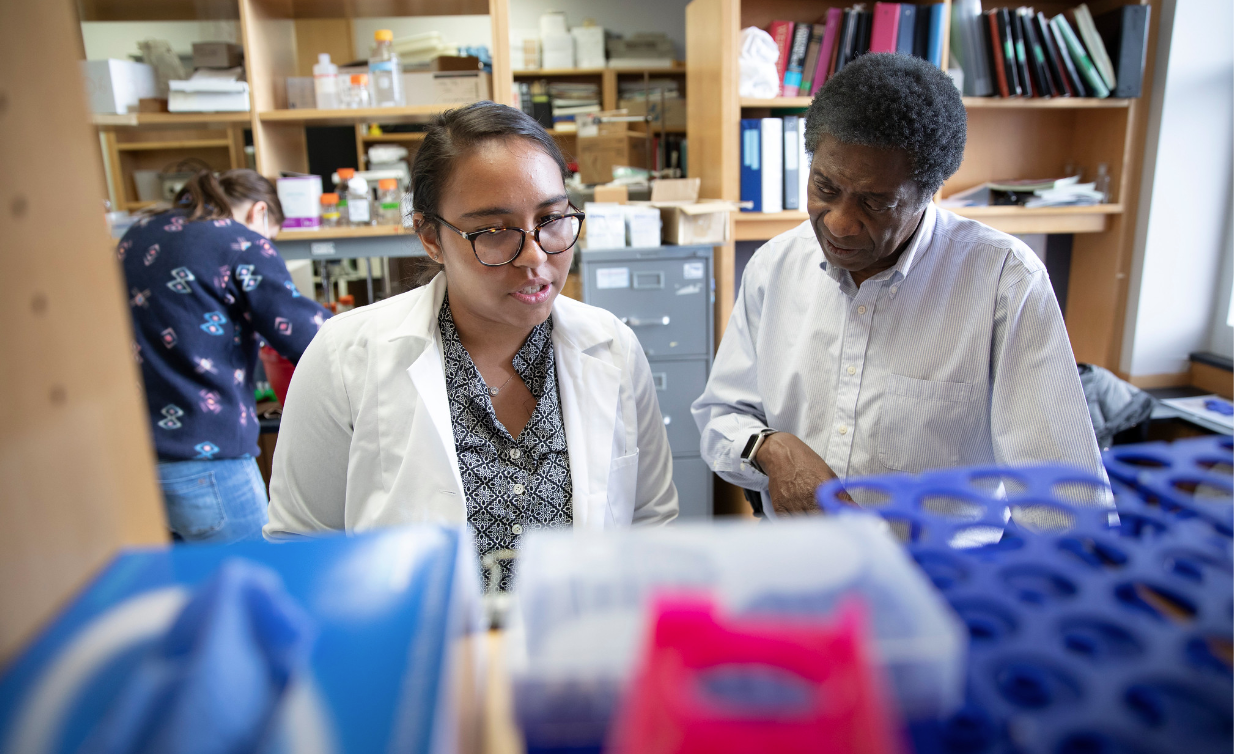
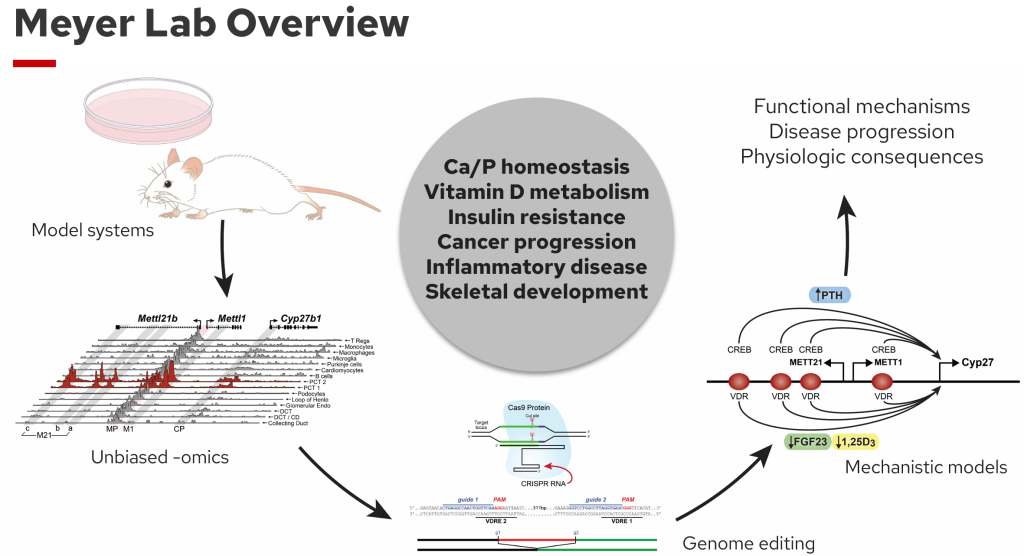
52 faculty trainers across 17 departments provide extensive interdisciplinary training opportunities in molecular, human and animal nutrition research.
Program Requirements
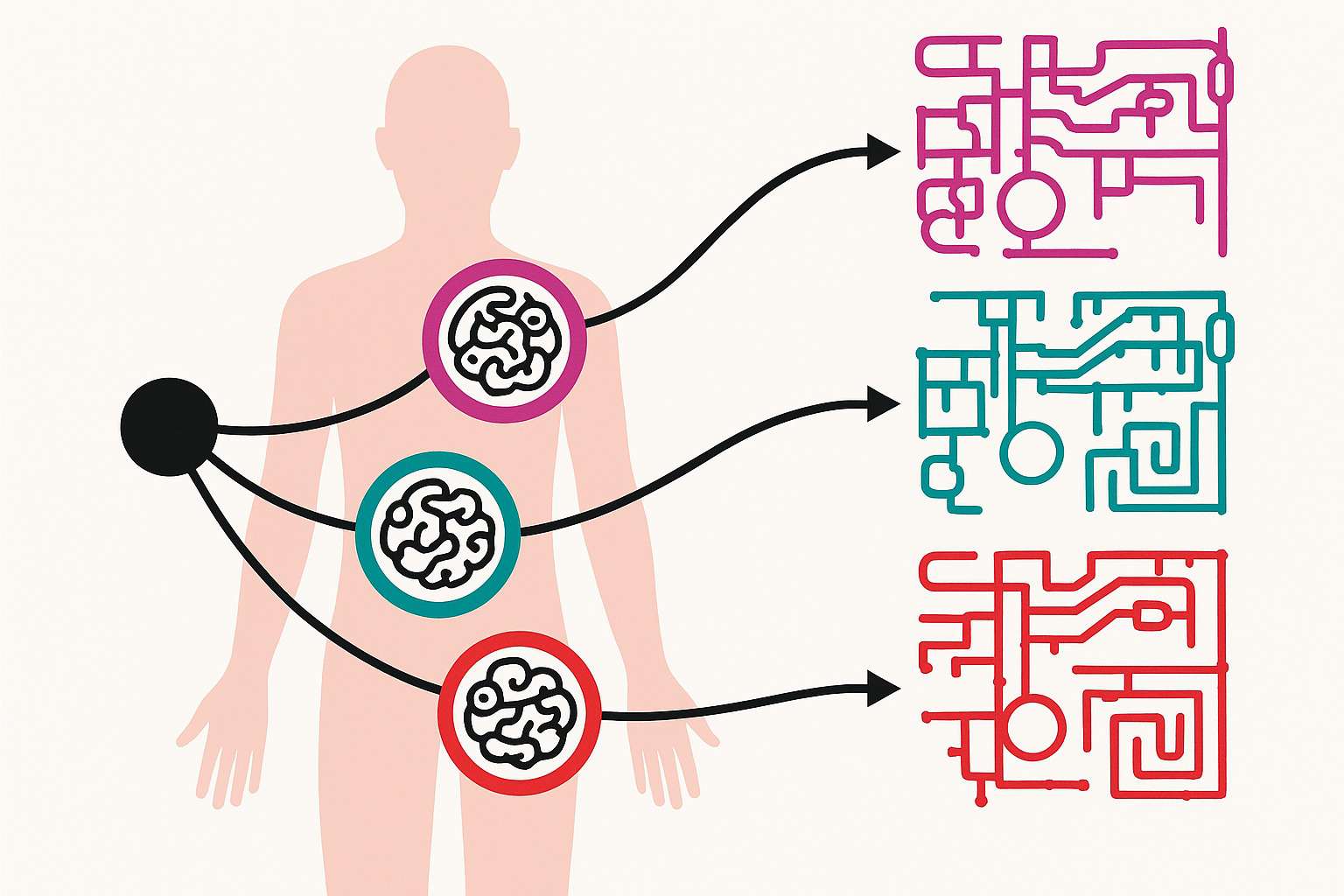
Our flexible curriculum provides core nutrition and metabolism coursework, with ample opportunities for elective coursework and minors.

Student Life
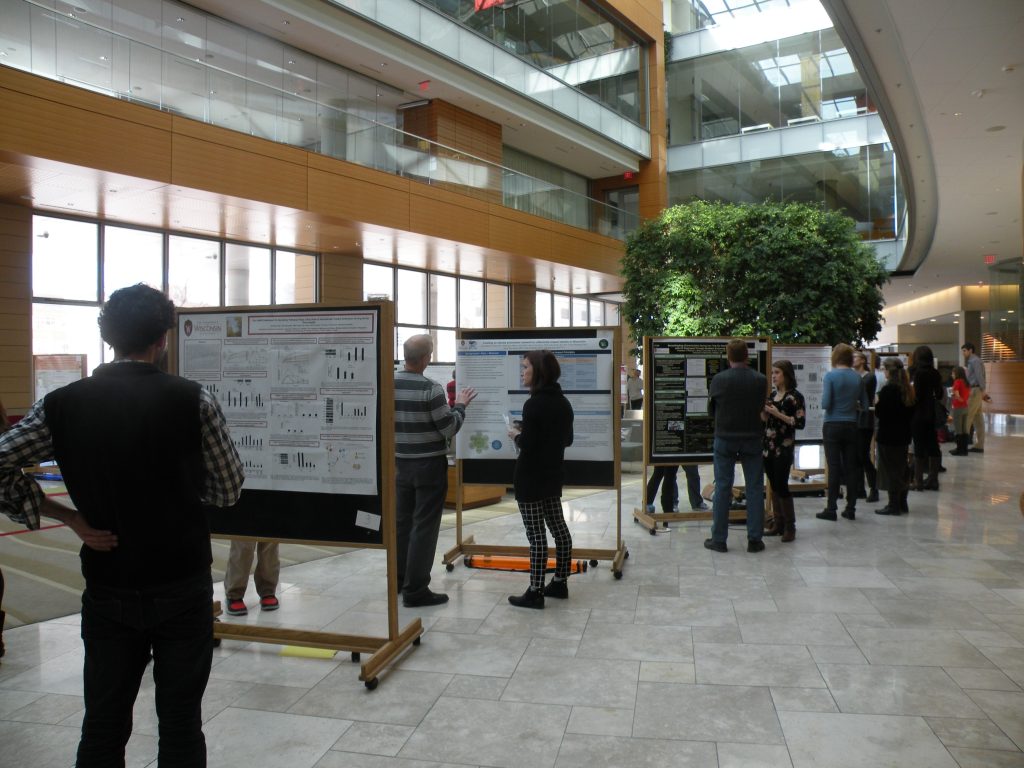
Gain a world-class education in a world-class city. Madison is a vibrant and inclusive community, and is consistently ranked as one of the best places to live in the U.S. for quality of life.
“Whether you’re driven by discovery, problem-solving, or the pursuit of knowledge, we look forward to helping you shape your research journey and make meaningful contributions to your field.“
-Dr. Rick Eisenstein, Director of Graduate Studies
News & Events
-
Lauren Clark awarded F31 Fellowship
N&M graduate student Lauren Clark or the Attie Lab has been awarded the prestigious F31 Fellowship from the National Institutes of Health. Lauren’s project will explore the genetic drivers that control insulin secretion. Her research hopes to build on our understanding of how insulin is controlled and how pathways can be manipulated to alter insulin…
-
2023 Joint T32 Retreat
This weekend, The University of Wisconsin-Madison’s “Metabolism and Nutrition” T32 program and the University of Chicago’s “Digestive Health and Diseases” T32 training program joined forces to hold the first ever Joint T32 Retreat. The two leading institutions, renowned for their contributions to the fields of health, nutrition, and sciences, convened at the University of Chicago’s…
-
N&M trainer discusses the value of diversity
N&M faculty trainer Judith Simcox discusses the importance of diversity in the latest issue of GROW magazine. In May, Simcox was was named a Freeman Hrabowski Scholar by the Howard Hughes Medical Institute for her commitment to inclusion in STEM. Read the full article here.
-
Jake Hermanson awarded F31 Fellowship
Nutrition and Metabolism Ph.D. candidate Jake Hermanson of the Leone Lab has been awarded a three-year F31 Fellowship from the National Institutes of Health for his project, “The role of dietary cholesterol in Nonalcoholic fatty liver disease through the action of gut microbiota.” Congratulations, Jake!
Recent Publications
Hermanson JB, Tolba SA, Gazi MA, Chrisler EA, Kaur M, Sidebottom AM, Liu Y, Martinez-Boggio G, Lucas LN, Amador-Noguez D, Rey FE, Leone VA. Gut microbes mediate the synergistic effects of dietary cholesterol and saturated fat in driving fibrosing MASH. Gut Microbes. 2026 Dec 31;18(1):2668121.
Wagner MR, Pintozzi NG, Schoff BM, Gold MI, Kasper RH, Steele NG, Blum B. Stromal and Neuronal Sources of Slit2/3 Ligands in the Adult Pancreas Exhibit Distinct Expression Patterns Independent of Robo2 Receptor Expression in the Islet. bioRxiv [Preprint]. 2026 May 18:2026.05.15.725534.
Knopf BA, Grunow I, Anderson B, Rihawi T, Sonsalla MM, Calubag MF, Babygirija R, Liu Y, Xiao F, Yeh CY, Lamming DW. Female resistance to the metabolic benefits of protein restriction is reversed by ovariectomy in mice. bioRxiv [Preprint]. 2026 Apr 3:2026.03.31.715667.
Williams J, Kim WS, Danner R, Cho J, Silva BF, Harris DA, Rey FE, Chaudhari SN. Atlas of one-carbon metabolism in conventional and germ-free mice reveals folate as a key determinant of biochemical pathways. Nat Metab. 2026 Apr;8(4):924-940.
Cho J, Danner R, Kim WS, Williams J, Singh A, Han JA, Van Vranken JG, Walker AS, Rhoads T, Chaudhari SN. Microbial metabolism of methotrexate produces a STAT3 signaling molecule that alleviates gut inflammation. bioRxiv [Preprint]. 2026 Mar 12:2026.03.11.711168.
McGregor ER, Osterbauer KJ, Gustafson GE, Clark JP, Rhoads TW, Anderson RM. Adiponectin and aging: Mechanistic insights, clinical paradox, and therapeutic horizons. Ageing Res Rev. 2026 May;117:103059.
Armstrong MT, Antunes K, Willis NB, Meyer MB, Pierre JF, Ozturk G. Whey Protein Phospholipid Concentrate and Its Fractions as a Diet Intervention Enhance Bone Health and Alter the Gut Microbiome in Weanling Mice. FASEB J. 2025 Dec 15;39(23):e71260. doi: 10.1096/fj.202502683R. PMID: 41363910; PMCID: PMC12687760.
Trautman ME, Green CL, MacArthur MR, Chaiyakul K, Alam YH, Yeh CY, Babygirija R, James I, Gilpin M, Zelenovskiy E, Green M, Marshall RN, Raskin A, Sonsalla MM, Flores V, Simcox JA, Ong IM, Malecki KC, Jang C, Lamming DW. Dietary isoleucine content modulates the metabolic and molecular response to a Western diet in mice. Mol Metab. 2025 Nov;101:102248.
Hermanson JB, Tolba SA, Gazi MA, Chrisler EA, Kaur M, Sidebottom AM, Liu Y, Martinez-Boggio G, Lucas LN, Amador-Noguez D, Rey FE, Leone VA. Gut microbes mediate the synergistic effects of dietary cholesterol and saturated fat in driving fibrosing MASH. bioRxiv [Preprint]. 2025 Jul 21:2025.07.16.665145.

The University of Wisconsin–Madison rests in the ancestral land of the Ho-Chunk Nation, the People of the Big Voice, who have called this place Teejop (day-JOPE) for time immemorial. We as a university community continue to create and build upon our partnerships with the 12 First Nations of Wisconsin. As a state university we respect the inherent sovereignty and unique legal status, as affirmed and set forth in state and federal law, of the First Nations of Wisconsin.